


DENTAL SERVICES AT PROFESSIONAL DENTAL IN UTAH
Dental Routine Care
Request Your Appointment For Routine Care
About Dental Routine Care
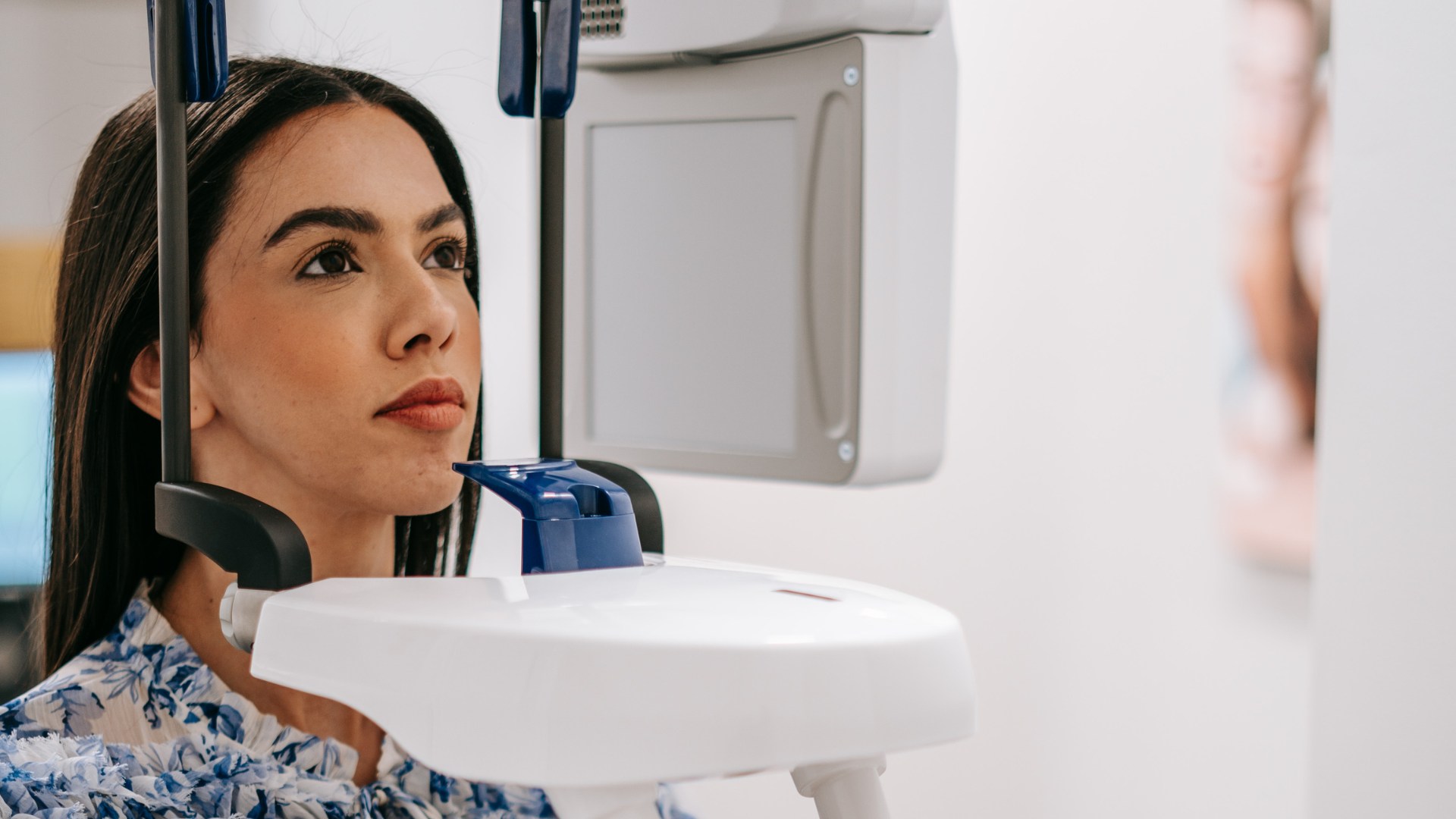


When you visit one of our dentists, your gums and teeth will be examined. They will check for any signs of infection or recession in your gums, popping in your jaw, and tooth decay. They may take x-rays to see if there are any problems with the jawbone or tooth roots. It is always best to catch issues in their early stages to prevent high dental costs and discomfort.
If a dental infection is not caught soon enough, it may lead to tooth loss that requires a dental implant or bridge to correct. Gum disease is another common problem that can result in tooth loss. It is caused by the buildup of plaque on the tooth. During routine visits, the plaque is removed from your teeth. That process makes it less likely for gum disease to develop.
When our dentist sees tooth decay in its beginning stages, they can remove the decayed portion of the tooth. They then fill the tooth using a tooth-colored filling.
- Review your dental and medical history forms
- Fully examine your teeth and gums
- Take x-rays of your mouth
- Check for cavities or early signs of tooth decay
- Clean and polish your teeth
- Create a customized treatment plan and answer your questions
What Should I Do Between Dental Visits?
Be sure to take care of your teeth and gums between regular dental visits. Plaque is always forming on your teeth, but you can manage it by brushing and flossing regularly.
Brush your teeth at least twice a day. Be sure to use a toothpaste that contains fluoride.
Floss daily.
Use a mouthwash to help control plaque bacteria. This will also help to keep your breath fresh.
What’s Right For Me? A Deep Cleaning Or A Regular Cleaning?

Preventive Cleaning

Deep Cleaning
Contact the experts at Professional Dental in Utah. Find your nearest location and schedule an appointment with our skilled dental restoration team. We specialize in high-quality treatments to restore and enhance your smile, ensuring you receive the best care possible.
Call Professional Dental at (801) 785-8000 to schedule your consultation in one of our dental offices in Utah.
Schedule Appointment
(801) 785-8000
Dental Services
Corporate Customer Service Hours
Frequently Asked Questions
A professional dental cleaning removes plaque and bacteria that brushing misses. According to the American Dental Association, it removes more of the cavity-causing bacteria and helps keep your gum tissue healthy.
A dental cleaning can also remove most stains from your teeth, so your smile looks brighter after your routine care visit.
Dental X-rays use very low doses of radiation, so the risk of harmful effects is very small. According to the American College of Obstetricians and Gynecologists, dental X-rays are also safe during pregnancy.
Your dentist will only recommend X-rays when they help with your dental exam and treatment plan.
Brush twice a day for two minutes with fluoride toothpaste and clean between your teeth once a day. Eat a balanced diet and limit sugary snacks and drinks.
These habits, together with your regular dental exam and dental cleaning, help prevent cavities and gum disease.
A sealant is a thin protective coating that bonds to the chewing surfaces of the back teeth, where food and bacteria collect. Sealants have been shown to reduce the risk of decay in molars by nearly 80 percent, and both children and adults can benefit.
The process is quick and painless. Your dentist checks your sealants during routine care visits and reapplies them when needed.
Source: American Dental Association (MouthHealthy.org): Sealants
Yes. Gum disease is usually painless and can occur without warning signs, so regular checkups and periodontal exams are important. A dental exam can also find cavities early, when treatment is often simpler.
That is why routine care is recommended even when nothing hurts.
Usually, yes. Most general dentistry check-up appointments combine an examination and cleaning into one appointment. The general dentist will examine the teeth and may take x-rays. Then, the patient will visit with the dental hygienist to undergo a preventive cleaning. If during a check-up it is discovered that a deep cleaning is needed, you may be scheduled for that on a different day. Deep cleanings are done in quadrants, unlike preventive cleanings that handle the entire mouth. Deep cleanings are more intense than preventive cleanings and take a longer amount of time.
Patients that skip their general dentistry check-ups are more likely to develop cavities, infections, or other dental issues that have the potential to impact one's health in a very negative way.
During a routine care visit, the dentist or hygienist asks about your recent medical history, examines your mouth, and decides whether you need X-rays. Depending on your treatment plan, the hygienist may use special instruments to check your gums for gum disease.
The dentist also performs an oral cancer screening by checking your tongue and your whole mouth and feeling your jaw and neck.
Not always. How often you need X-rays depends on your oral health, your age, your risk for disease, and any signs or symptoms. Recent ADA expert recommendations say X-rays should be taken only when your dentist believes they will provide needed information.
Children and teens may need X-rays more often, because their teeth and jaws are still developing.
Source: American Dental Association (MouthHealthy.org): X-rays
There is no one-size-fits-all answer. Some people need a dental exam and dental cleaning once or twice a year, while others may need more visits.
Your dentist will recommend a routine care schedule based on your oral health and risk factors, so you can prevent problems and catch them early.
Yes. The ADA recommends a child's first dental visit after the first tooth appears and no later than the first birthday, because babies can get cavities as soon as they have teeth.
Visit our dentist for kids page to learn how we care for young smiles.
Source: American Dental Association (MouthHealthy.org): First Dental Visit
According to the ADA, fluoride makes teeth stronger and more resistant to acid, and it can help reverse early decay. Cavities happen when bacteria feed on sugars and produce acid that wears away tooth enamel.
Brushing with fluoride toothpaste and drinking fluoridated water both help protect your teeth between your routine care visits.
Yes. If you injure a tooth, see your dentist even if it doesn't hurt, because damage inside the tooth is not always visible. Your dentist can check the tooth and take X-rays when needed.
Wearing a mouthguard during sports is one of the best ways to prevent dental injuries.
More Questions? Please Contact Us!

$228 /year
Exclusive Dental Offers and Promotions
Start Your Braces Treatment for Only $129
Kickstart your journey to a perfect smile for just $129! Begin your braces treatment today and take advantage of our 0% interest financing options....
New Patient Special
Take advantage of our special offer for new patients without insurance! Get a comprehensive exam, X-rays, and a preventative cleaning all for just ...
Book an Appointment
Dental Insurances We Take


Not in the list? Chances are we accept it


